
PMT Lawn & Landscape
Lawn Weed Control
Pre-emergent applied to soil temperature, not to the calendar, backed by targeted post-emergent work on the broadleaf weeds that still find a way in.

Residential Lawn Care
Stop Weeds Before They Are Visible
PMT Lawn & Landscape treats weed pressure the way it actually behaves in this climate, serving Indianapolis and the surrounding areas. By the time a homeowner sees crabgrass in the yard, the window to prevent it closed weeks earlier. Everything after that point is cleanup. Call (317) 910-1257 and we will walk the lawn, identify what is growing, and tell you which part of the year we need to hit, or request an estimate.
Central Indiana gives weeds a long runway, which is why lawn weed control here has to start earlier than most homeowners expect. Wet springs, compacted clay that leaves bare thin spots, cool season turf that goes semi dormant in a dry August, and a mild fall that lets winter annuals germinate all favour the opportunists. Crabgrass takes the hot, thin edges along driveways and sidewalks. Dandelion, clover, plantain, henbit and creeping charlie take everything else. Nutsedge shows up wherever drainage is poor, which on clay is often.
Weed control sits alongside feeding in the wider program on our lawn treatments page. This page is about lawn weed control specifically, the timing, the products, and what a realistic outcome looks like.
Timing
Pre-Emergent Runs on Soil Temperature
Crabgrass germinates when soil temperature at seed depth sits near 55 degrees for several consecutive days, which in a typical Indianapolis spring lands somewhere in the back half of March or the first half of April. That date moves by two or three weeks from one year to the next. A national schedule that says apply in April is guessing, and in an early spring it guesses wrong.
We split the pre-emergent into two applications rather than putting it all down at once. A single heavy application starts breaking down before summer is over, and late germinating crabgrass walks straight through the gap in June and July. Splitting it keeps a usable barrier in the soil through the whole germination window without pushing rates higher than the turf should carry.
- First pre-emergent before soil holds near 55 degrees at seed depth
- A split second application to extend the barrier through early summer
- Post-emergent spot treatment for broadleaf weeds that break through
- Nutsedge treated with a product built for sedges, not a generic broadleaf mix
- Fall applications aimed at winter annuals and perennial broadleaf weeds
Post-Emergent
What We Do About the Weeds Already There
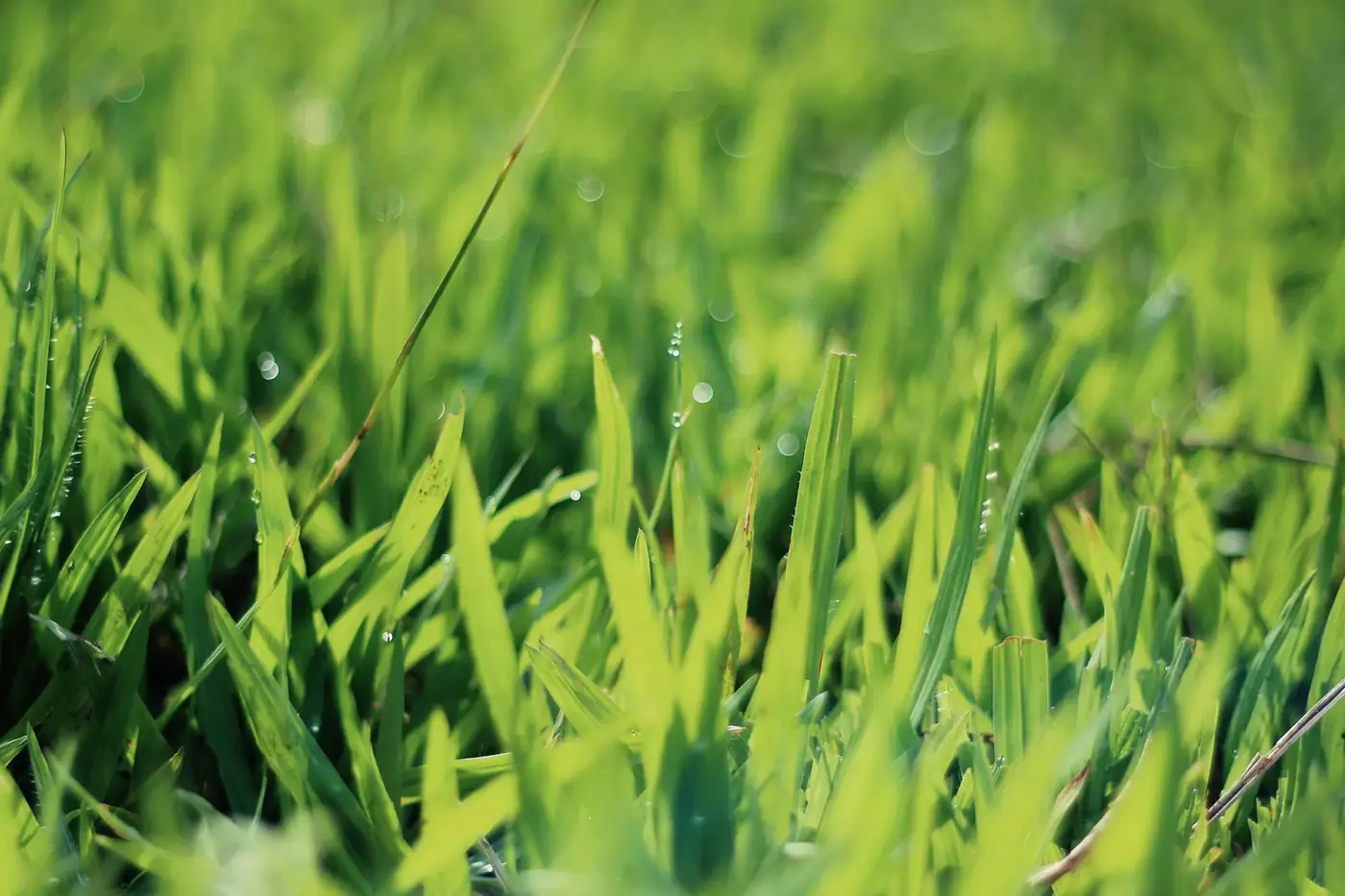
No barrier is perfect. Edges get scuffed, dogs and kids wear paths, mowers track seed in from elsewhere, and perennial broadleaf weeds come back from root systems that a pre-emergent never touches. Those get treated on contact, targeted rather than blanket sprayed wherever the pressure allows it.
Identification drives the product choice. Clover and creeping charlie need a different mix than dandelion. Nutsedge is a sedge, not a broadleaf, and standard broadleaf products will not hold it. Wild violet is stubborn enough that it usually takes repeat applications across two seasons, and we would rather say so at the start than let you wonder why one weed is still there in September.
Timing matters here too. Fall is the strongest window for perennial broadleaf weeds, because the plant is pulling resources down into its roots and carries the product with it. A dandelion treated in October is far less likely to come back than the same plant treated in the heat of July. That fall window also depends on the product reaching the plant, so on wooded lots we time leaf removal ahead of the application.
The Long Game
Thick Turf Is the Real Weed Control
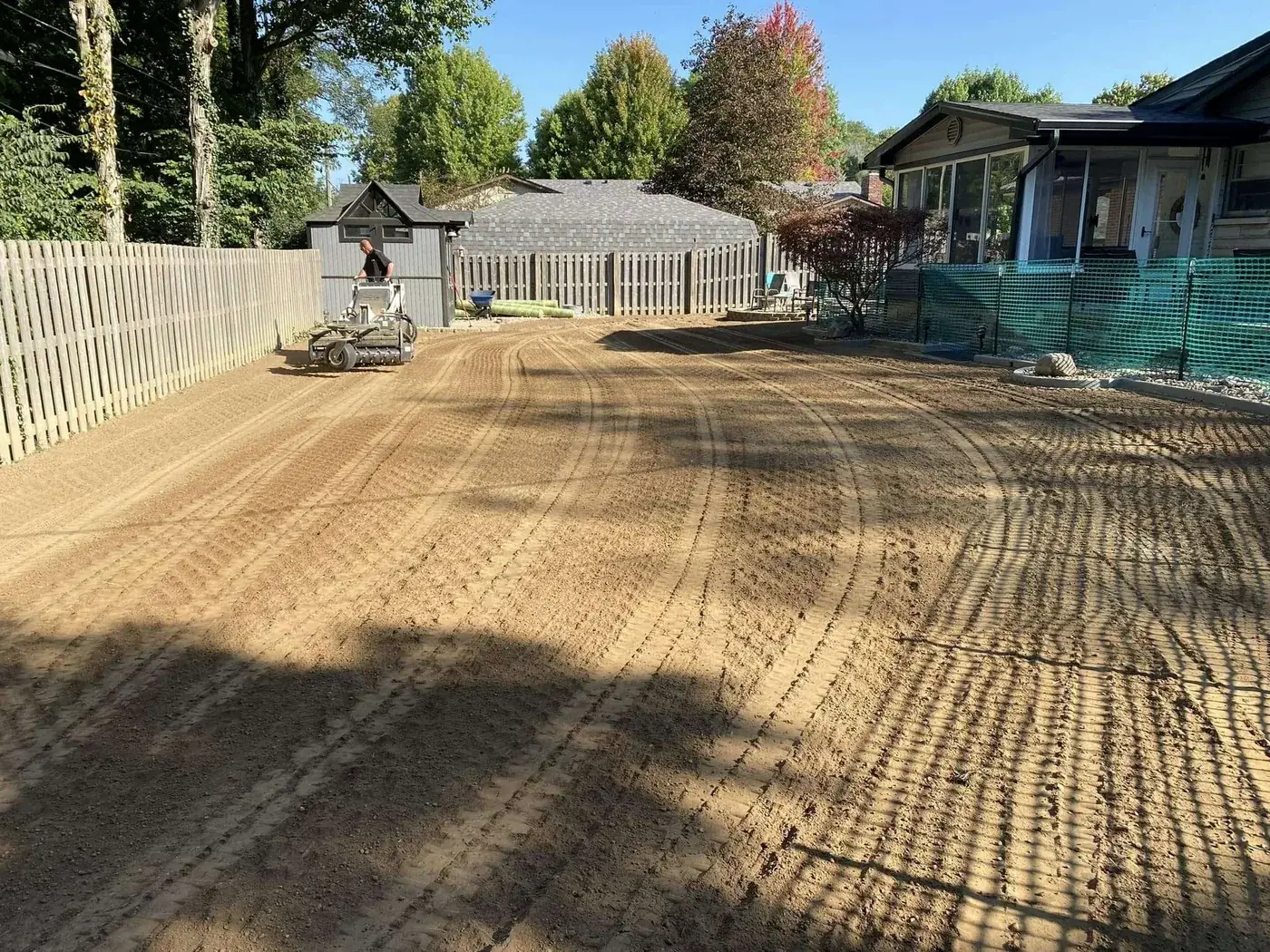
Herbicide removes what is there. Density keeps it from coming back. Weeds are opportunists that need light on bare soil, so any lawn with thin areas will keep producing new work for us every spring no matter how well the applications are timed. That is why weed control alone is rarely the whole answer on a struggling property.
Closing the canopy takes three things. Proper feeding, which is covered on our lawn fertilization page. Relief from compaction and new seed in the thin spots through fall aeration and overseeding. And mowing at the right height, since taller fescue and bluegrass shade the soil surface and cut crabgrass germination sharply. Clients who bundle treatments with weekly mowing and lawn maintenance usually need fewer corrective sprays by the second season.
One scheduling note. Herbicide and new seed do not mix, because most pre-emergent products stop desirable grass seed from establishing just as effectively as they stop crabgrass. If overseeding is planned for the fall, we adjust the application plan around it rather than wasting either one.
Drainage is the last piece people tend to overlook. Water that sits on clay for a day after every storm favours nutsedge and moss over fescue, and no spray program fixes a low spot. Where we see that pattern repeating in the same corner of a yard every spring, we will say so and talk about grading or drainage before selling you another season of applications that cannot win.
The PMT Difference
A Lawn & Landscape Company You Can Trust
Homeowners, property managers, and facility teams across Johnson County keep working with us for the same handful of reasons.
01
We know Central Indiana ground
Heavy clay soil, cool-season turf, and Indiana's swing from wet spring to dry August all change how a property should be treated. We plan around the conditions we work in every day.
02
We treat the property like our own
Clean edges, blown-off walks, straightened bed lines. The details you would notice at your own house are the details we finish every visit with.
03
We show up on time and communicate
You know who is coming, when they are coming, and what happens next. From the first estimate through the last cleanup of the season.
04
5.0 stars across 300+ reviews
Locally owned since 2015, licensed, bonded, and insured. Big enough to serve, small enough to care.

Questions & Answers
Lawn Weed Control FAQs
We watch soil temperature rather than the calendar. The target is to have the barrier in place before soil at seed depth holds near 55 degrees, which usually falls in late March or early April but can shift by weeks depending on the spring.
Broadleaf weeds usually curl within a few days and are gone in one to two weeks. Tougher perennials such as wild violet and creeping charlie can take repeat applications across more than one season. Pre-emergent work is invisible by design, since the result is weeds that never appear.
Yes, with normal precautions. Stay off treated areas until the application has dried or been watered in depending on the product, and we leave notice after every visit describing what was applied and when it is fine to use the lawn again.
Weed seed is already in the soil and blows in constantly, so the goal is suppression and density rather than eradication. Lawns that stay thin because of shade, compaction or poor drainage will keep opening the door. Fixing the thin spots is what reduces the pressure permanently.
Not right away. Pre-emergent products prevent grass seed from establishing too, so we plan seeding and herbicide timing together. If you are overseeding in fall, tell us early and we will sequence the season around it.
Bed weed suppression, edging and mulch renewal are handled under landscape maintenance rather than as part of the turf program, since the products and the approach are different.
Get Ahead of Next Spring's Weed Pressure
The lawns that look clean in June are the ones that were treated in March. PMT Lawn & Landscape has been timing pre-emergent and post-emergent work to Central Indiana conditions since 2015, and we will tell you plainly which weeds we can clear this season, which ones will take two, and what needs to change in the turf itself so the problem gets smaller every year. Get on the schedule before the soil warms up and we will take it from there, serving Indianapolis and the surrounding areas.
PMT Lawn & Landscape serves Greenwood, Center Grove, Franklin, Bargersville, Mooresville, and Southport. Call (317) 910-1257 or request an estimate and we will get you on the schedule.
Tired of Fighting the Same Weeds Every Year?
Tell us what is coming up in the lawn and we will put together a treatment plan and a price.