
PMT Lawn & Landscape
Aeration & Overseeding Services
Core aeration to break up compacted clay, followed by overseeding that fills thin areas before winter.

Residential Aeration Experts
Thicker, Greener Grass Starts Beneath the Surface
PMT Lawn & Landscape provides core aeration and overseeding, serving Indianapolis and the surrounding areas. Call (317) 910-1257 to get on the fall schedule before it fills, or to have us look at a lawn that has stopped responding to everything else you have tried, or request an estimate.
Soil compacts. It happens from foot traffic, from mowing equipment, from rain hitting bare ground, and from the construction that most Central Indiana subdivisions were built on. Once soil is tight, roots cannot push through it, water runs off instead of soaking in, and fertilizer sits on the surface doing very little. That is why a lawn can be on a full treatment program and still look thin. The problem is not the inputs, it is that nothing can get down to the root zone.
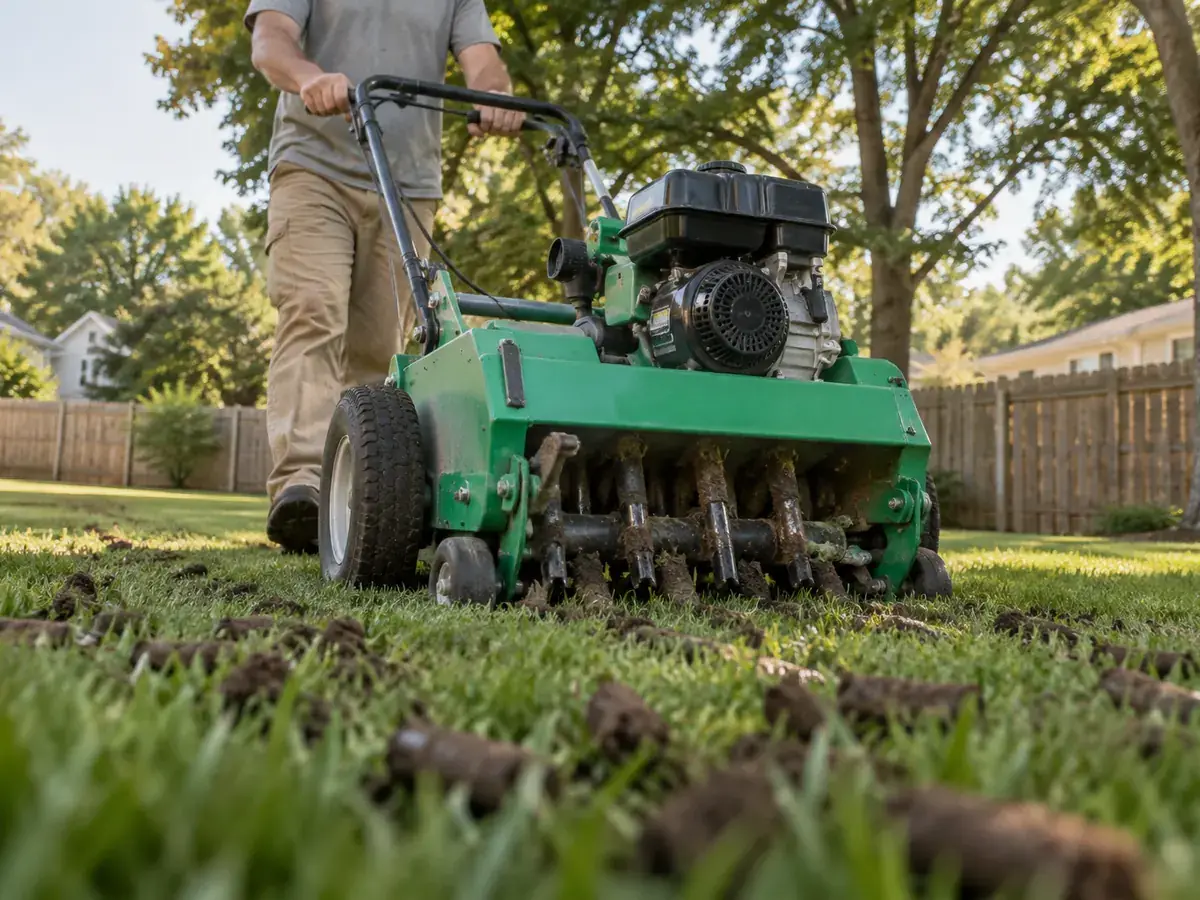
Core aeration fixes that mechanically. We pull small plugs of soil out of the lawn on a tight spacing, which opens thousands of channels for air, water, and nutrients to reach the roots. The plugs break down on the surface over the following weeks and work organic matter back into the top layer of soil. It is the single most effective thing you can do for a struggling lawn in heavy clay, and it costs less than most people expect.
The Benefits
What Core Aeration Actually Does for a Lawn
Deeper roots are the whole point. A lawn with a shallow root system browns out the first week of dry weather and never fully recovers. A lawn with roots several inches down rides out the same stretch, which is why aerated lawns tend to look better in August than their neighbors on the same watering schedule.
Aeration also makes everything else work harder. Applications from a season-long lawn treatment program reach the root zone instead of sitting on a compacted crust, so you get more out of the same money.
- Relieves compaction so roots can grow deeper and hold moisture
- Improves water infiltration and reduces standing water and runoff
- Reduces thatch buildup by mixing soil microbes into the layer
- Improves nutrient uptake from every application that follows
- Creates ideal seed-to-soil contact for overseeding
- Builds drought and heat tolerance ahead of an Indiana August
Overseeding
Why We Almost Always Overseed at the Same Time
Aeration opens the soil. Seed dropped immediately afterward falls into the holes and gets the soil contact it needs to germinate. Seed broadcast on unaerated ground mostly sits on top, feeds the birds, and washes into the street with the first storm. The two services belong together, which is why we quote them together.
Cool-season turf here is mostly tall fescue and bluegrass, and both thin out over time under heat, disease pressure, and traffic. Overseeding every fall keeps the stand dense and introduces newer cultivars with better drought and disease resistance than what was originally sodded. A thick lawn is also the cheapest weed control there is, because crabgrass and broadleaf weeds need bare ground to establish.
Where a lawn is beyond seeding, or where grading and drainage are the real problem, we will say so rather than sell you seed that will fail. Those properties usually need work covered under backyard transformations before turf has any chance.
Timing
Fall Is the Window That Matters
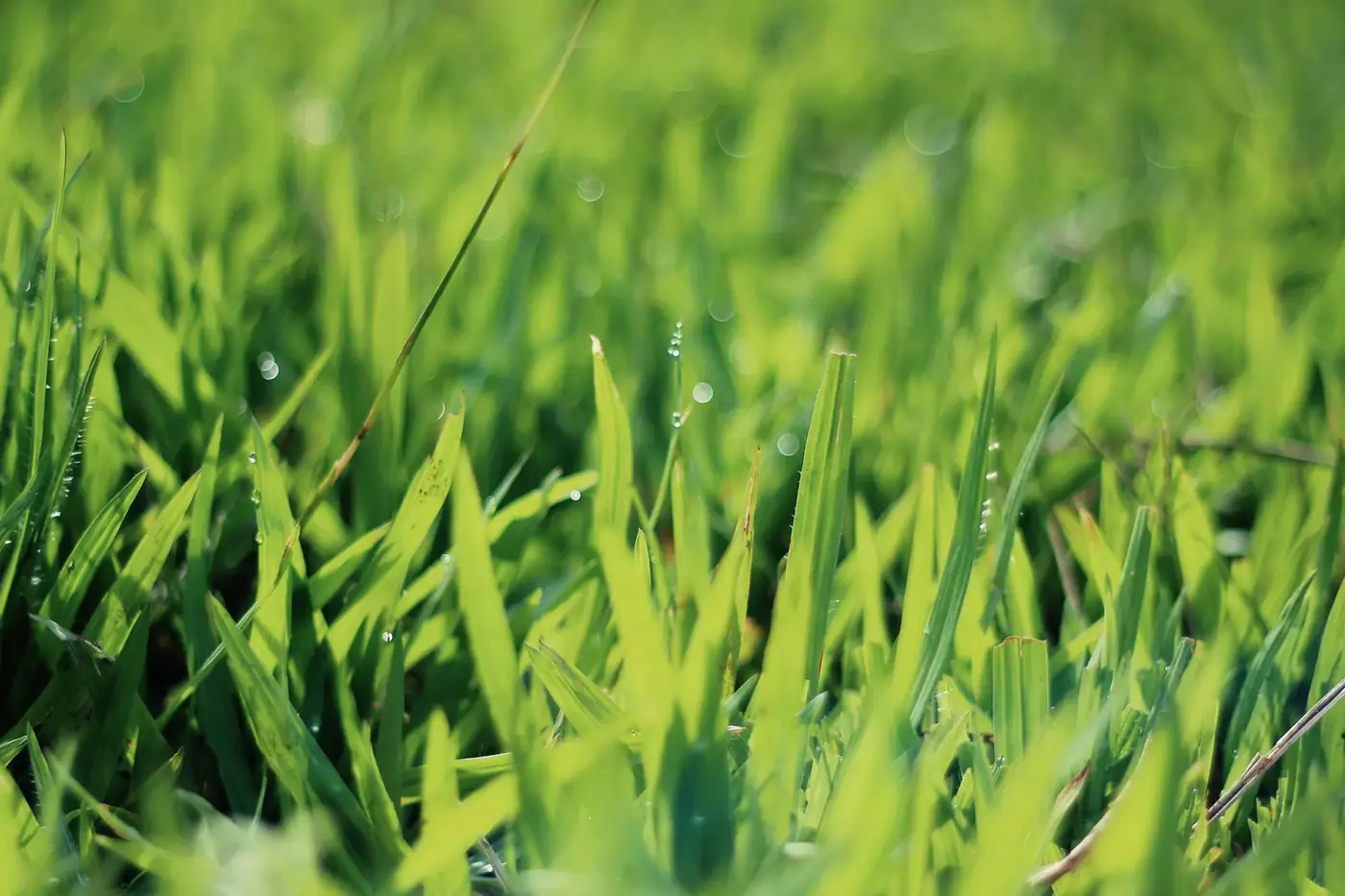
Late August through early October is the best window in Central Indiana. Soil is still warm enough for fast germination, nights are cooling off, weed competition is dropping, and new seedlings get several months to root before winter. A fall seeding will outperform the same work done in spring almost every time. Seed has to land on soil, so on properties with mature trees leaf removal runs ahead of the aeration pass.
Spring aeration still has a place, particularly for compaction relief on high-traffic lawns and commercial sites, but spring seeding fights summer heat and pre-emergent timing. If you seed in spring you generally give up your crabgrass pre-emergent that year, and we will explain the tradeoff before you decide.
After seeding, the first two to three weeks of watering decide the outcome. Light, frequent watering to keep the surface damp beats deep soaking until the seedlings are up. Hold off on mowing until the new grass reaches roughly three inches, then cut high with a sharp blade through your regular mowing and lawn maintenance visits.

The PMT Difference
A Lawn & Landscape Company You Can Trust
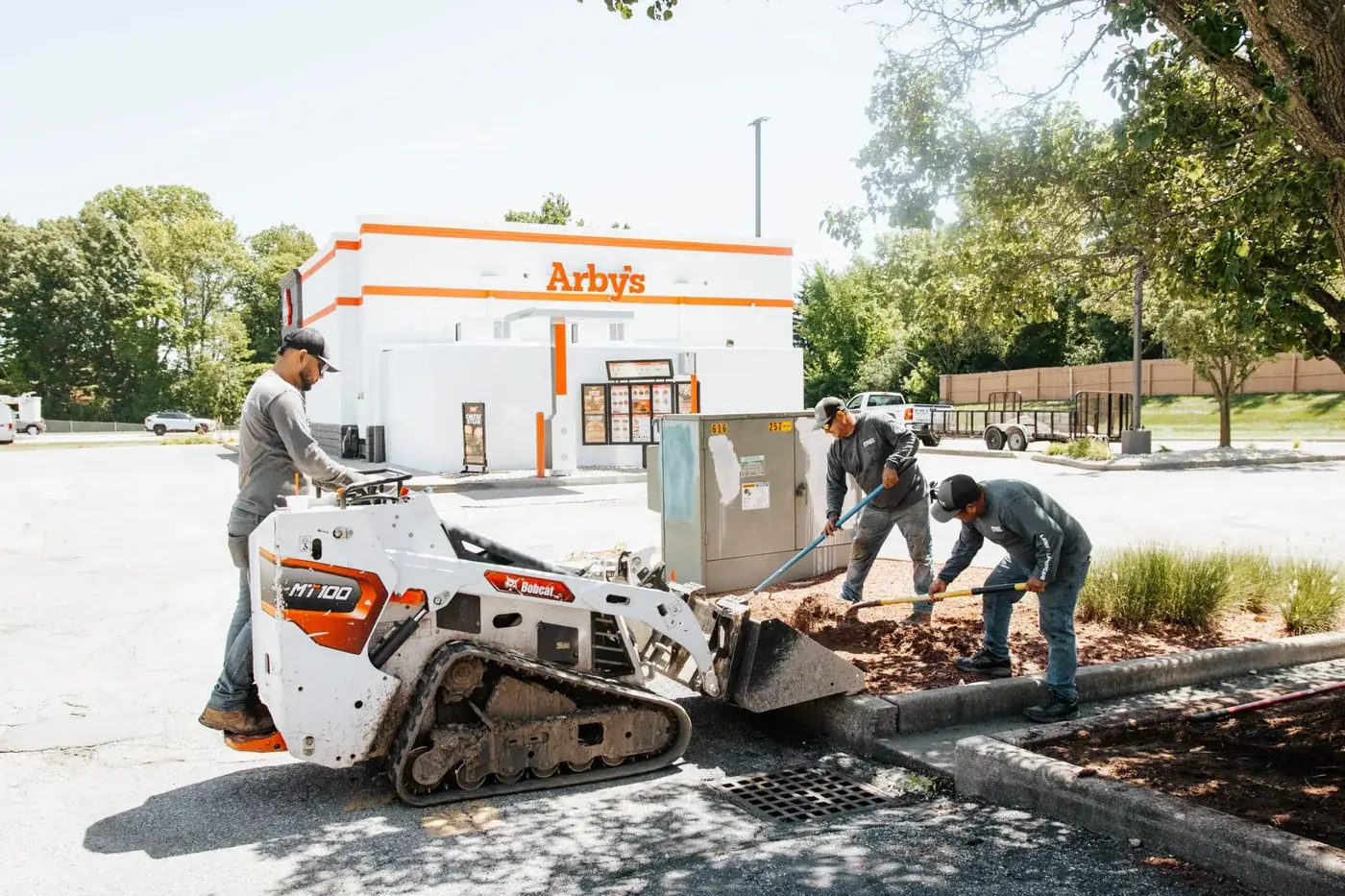
Homeowners, property managers, and facility teams across Johnson County keep working with us for the same handful of reasons.
01
We know Central Indiana ground
Heavy clay soil, cool-season turf, and Indiana's swing from wet spring to dry August all change how a property should be treated. We plan around the conditions we work in every day.
02
We treat the property like our own
Clean edges, blown-off walks, straightened bed lines. The details you would notice at your own house are the details we finish every visit with.
03
We show up on time and communicate
You know who is coming, when they are coming, and what happens next. From the first estimate through the last cleanup of the season.
04
5.0 stars across 300+ reviews
Locally owned since 2015, licensed, bonded, and insured. Big enough to serve, small enough to care.

Questions & Answers
Aeration & Overseeding FAQs
Once a year for most Central Indiana lawns, because clay soil recompacts quickly. Lawns with light traffic and better soil can stretch to every other year. High-traffic yards with kids, dogs, or regular parking often benefit from spring and fall passes.
Aeration is priced by lawn size and access, and overseeding is quoted with it because seed is the larger part of the cost. Slice seeding and topdressing with compost are available on lawns that need more than a standard overseed.
Yes. Those cores break down within two to three weeks and return soil microbes and organic matter to the surface, which helps digest thatch. Raking them up throws away most of the benefit and adds work for no reason.
Fescue and ryegrass typically germinate in seven to fourteen days with consistent moisture. Bluegrass is slower, often three to four weeks. Full fill-in of a thin lawn usually takes two fall seedings rather than one.
Please flag irrigation heads, invisible fence lines, and shallow utility runs. Aerator tines pull cores several inches deep, and marked lines are the easiest way to keep everything intact.
Yes, on a schedule built around access and traffic. See commercial aeration and overseeding for how those programs are scoped and scheduled.
Then seeding alone will not fix it. We usually recommend a season of weed control first, then aerate and seed into a cleaned-up lawn, or pair it with ongoing landscape maintenance so the whole property improves together.
Get on the Fall Aeration Schedule
PMT Lawn & Landscape has been aerating and overseeding Central Indiana lawns since 2015, licensed, bonded, and insured. Fall slots fill fast, so if you want thicker turf next spring, this is the season to book, serving Indianapolis and the surrounding areas.
PMT Lawn & Landscape serves Greenwood, Center Grove, Franklin, Bargersville, Mooresville, and Southport. Call (317) 910-1257 or request an estimate and we will get you on the schedule.
Want a Thicker Lawn Next Spring?
Tell us the address and what the lawn is doing, and we will quote aeration and overseeding together.