

Overseeding is a vital lawn care technique that rejuvenates thin or patchy lawns, promoting healthier and denser grass growth. This article will explore the various methods and benefits of overseeding, providing insights into how this process can significantly improve your lawn’s health and appearance. Many homeowners struggle with maintaining a lush, green lawn due to factors like poor soil quality, drought, or pest issues. Overseeding offers a solution by introducing new grass seed varieties that can thrive in your specific conditions. We will cover the techniques used, the benefits for lawn health, and how to choose the best grass seed for overseeding in Central Indiana.
Techniques Used
Overseeding involves several techniques that enhance the effectiveness of the process. The primary method is aeration, which creates small holes in the soil to allow better seed-to-soil contact. This is crucial because it helps the seeds germinate more effectively. The overseeding technique itself involves spreading a mixture of grass seed over the existing lawn, ensuring that the new seeds can establish themselves without completely disrupting the existing grass.
Additionally, using high-quality grass seed is essential for successful overseeding. The right seed variety can improve the lawn’s resilience to pests and diseases, ensuring long-term health and vitality. Understanding these techniques is the first step in achieving a lush, green lawn.
Benefits for Lawn Health
Overseeding provides numerous benefits that contribute to overall lawn health. Here are some key advantages:
- Improved Soil Health: By introducing new grass varieties, overseeding can enhance soil structure and nutrient availability.
- Increased Grass Density: This process helps fill in bare spots, leading to a thicker, more robust lawn that can better withstand environmental stressors.
- Weed Suppression: A denser lawn can outcompete weeds for resources, reducing their prevalence and promoting a healthier ecosystem.
To illustrate the benefits of different grass seed types, the following table compares their attributes:
| Grass Type | Growth Rate | Drought Resistance | Ideal Conditions |
|---|---|---|---|
| Kentucky Bluegrass | Medium | Moderate | Cool, moist climates |
| Tall Fescue | Fast | High | Transitional zones |
| Perennial Ryegrass | Fast | Moderate | Cool, moist climates |
These benefits highlight why overseeding is a crucial practice for maintaining a healthy lawn.
Methods to Enhance Lawn Density
Enhancing lawn density involves several strategies beyond overseeding. Here are some effective methods:
- Choosing the Right Grass Seed: Selecting a seed that is well-suited to your local climate and soil conditions is essential for successful growth.
- Regular Maintenance: Consistent mowing, watering, and fertilization practices help support the new grass as it establishes.
- Fertilization: Applying a balanced fertilizer can provide the necessary nutrients to promote healthy growth and density.
Implementing these methods alongside overseeding can lead to a significantly improved lawn.
What Are Overseeding Services and How Do They Improve Thin or Patchy Lawns?
Overseeding services involve the professional application of grass seed to existing lawns to improve their health and appearance. This process is particularly beneficial for lawns that have become thin or patchy due to various factors, such as environmental stress or poor maintenance. By introducing new grass varieties, overseeding can revitalize a struggling lawn, making it more resilient and visually appealing.
The impact of overseeding is profound, as it not only enhances the lawn’s density but also improves its overall health. This service is an investment in the long-term vitality of your lawn, ensuring it remains lush and green throughout the growing season.
Understanding the Overseeding Process for Lawn Renovation
The overseeding process begins with a thorough assessment of the lawn’s condition. This includes evaluating soil health, existing grass types, and any underlying issues that may affect growth. Once the assessment is complete, the lawn is aerated to create optimal conditions for seed germination.
After aeration, the selected grass seed is evenly spread across the lawn. This step is crucial, as it ensures that the seeds have adequate contact with the soil, which is essential for successful germination. Following overseeding, proper watering and maintenance are vital to support the new grass as it establishes itself.
Benefits of Overseeding for Lawn Density and Health
The benefits of overseeding extend beyond mere aesthetics. A thicker lawn not only looks better but also provides several functional advantages:
- Thicker Lawn: Overseeding leads to a denser turf, which can better withstand foot traffic and environmental stress.
- Enhanced Appearance: A lush, green lawn improves the overall curb appeal of your property.
- Long-term Health: Regular overseeding can contribute to the long-term health of your lawn, reducing the need for chemical treatments and promoting a more sustainable approach to lawn care.
These benefits underscore the importance of incorporating overseeding into your lawn care routine.
When Is the Best Time to Overseed Your Lawn in Central Indiana?
The optimal time to overseed your lawn in Central Indiana is during the late summer to early fall. This period allows the new grass seeds to germinate and establish roots before the colder winter months. Additionally, the cooler temperatures and increased rainfall during this time create ideal conditions for seed growth.
Timing is crucial for successful overseeding, as it directly impacts the establishment of the new grass. By planning your overseeding efforts during this window, you can maximize the benefits and ensure a healthy lawn for the following growing season.
How Lawn Aeration Services Complement Overseeding
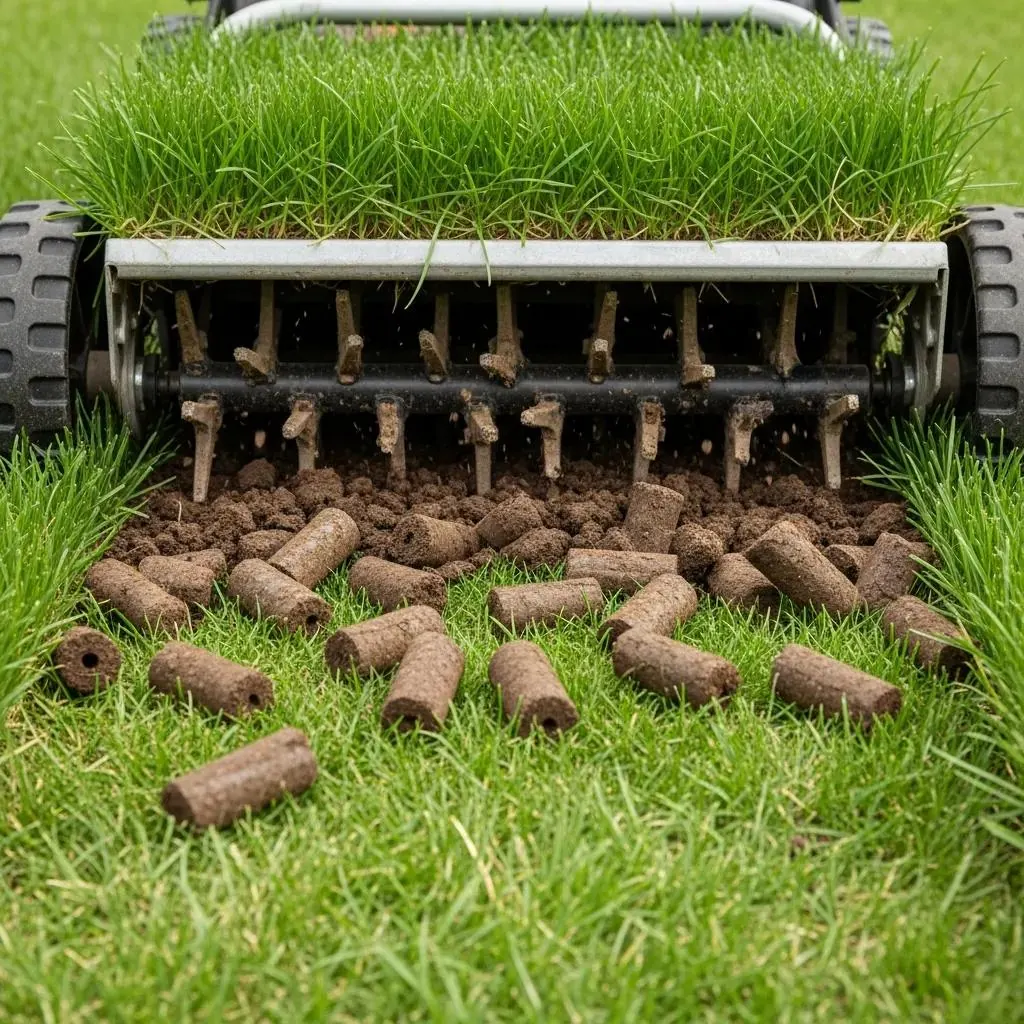
Lawn aeration services play a critical role in the overseeding process. Aeration involves perforating the soil with holes to improve air circulation, water infiltration, and nutrient absorption. This process enhances the seed-to-soil contact necessary for successful germination.
By aerating the lawn before overseeding, you create an environment that supports the new grass seeds, allowing them to establish more effectively. This complementary service is essential for achieving the best results from your overseeding efforts.
How to Choose the Best Grass Seed for Overseeding in Central Indiana?
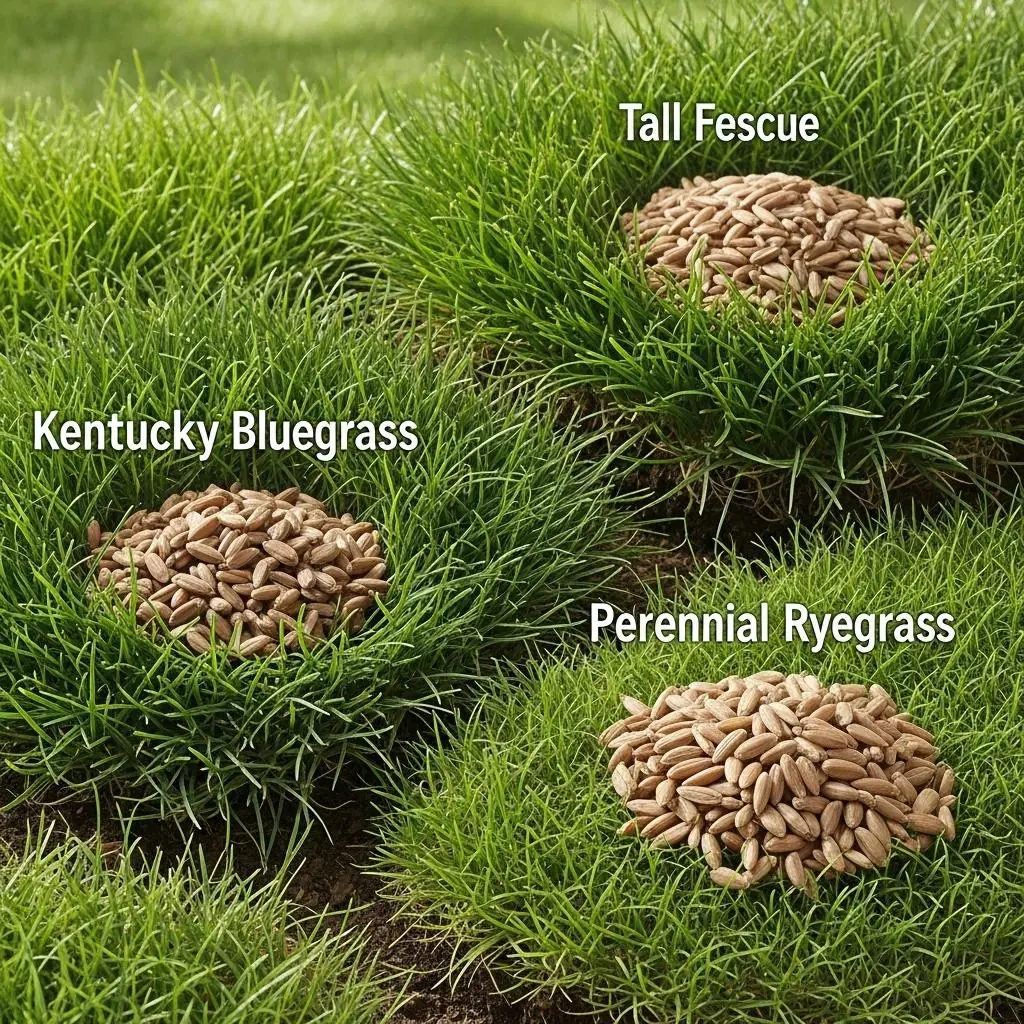
Choosing the right grass seed for overseeding in Central Indiana involves considering several factors:
- Local Climate: Select grass types that thrive in the region’s climate conditions, such as Kentucky Bluegrass or Tall Fescue.
- Soil Conditions: Assess the soil type and quality to determine which grass varieties will perform best.
- Sunlight Exposure: Consider the amount of sunlight your lawn receives, as some grass types are better suited for shaded areas than others.
By carefully evaluating these factors, you can select the best grass seed for your overseeding project, ensuring optimal results.
When facing particularly difficult lawn conditions, selecting the right grass seed becomes even more critical for success.
Choosing Grass Seed for Challenging Lawn Conditions Growing grass in moist conditions requires more than just selecting any old seed variety and wishing for the best. It’s about realizing your soil’s particular character, timing your efforts precisely, and applying tried-and-true techniques I have developed over many projects in several climates and soil kinds. From my experience assisting homeowners in everything from Pacific Northwest clay to Midwest seasonal wetlands, I have found thatthree main elements define success: choosing moisture-tolerant varieties, properly preparing your soil, and using particular planting techniques meant for wet conditions. Grass Seed for Wet Areas–Your Complete Guide to Growing a Lush Lawn in Challenging Conditions
Factors Influencing Grass Seed Selection for Patchy Lawn Repair
Several factors influence the selection of grass seed for patchy lawn repair:
- Local Climate: Understanding the climate in Central Indiana helps in choosing grass types that will thrive.
- Soil Quality: Testing soil pH and nutrient levels can guide the selection of grass seed that will perform well in your specific conditions.
- Existing Grass Types: Matching new seed with existing grass types can promote better integration and growth.
These considerations are essential for successful lawn repair and enhancement.
How Can You Schedule Professional Overseeding and Lawn Care Services with PMT Lawn and Landscape?
To schedule professional overseeding and lawn care services with PMT Lawn and Landscape, you can reach out via phone at (317) 910-1257 or email at [email protected]. Our team is ready to assist you in revitalizing your lawn and ensuring it remains healthy and vibrant throughout the year.
When contacting us, please provide details about your lawn’s current condition and any specific concerns you may have. This information will help us tailor our services to meet your needs effectively.
What to Expect from Professional Lawn Care in Greenwood and Surrounding Areas
Professional lawn care services, such as those offered by PMT Lawn and Landscape, encompass a range of treatments designed to enhance the health and appearance of your lawn. Services include aeration, overseeding, fertilization, and regular maintenance to ensure your lawn remains lush and green.
By choosing professional services, you can expect a comprehensive approach to lawn care that addresses all aspects of lawn health. Our expertise in the field ensures that your lawn receives the best possible care, leading to long-lasting results and a beautiful outdoor space.