
Broadleaf weeds can significantly impact the health and aesthetics of your lawn, making effective treatment and prevention essential for homeowners. This article explores the nature of broadleaf weeds, their effects on lawns, and the best strategies for control and prevention. By understanding the characteristics of common weeds like dandelions and clover, you can take proactive steps to maintain a lush, healthy lawn. Additionally, we will discuss professional services available for weed control, including those offered by PMT Lawn and Landscape, and compare various herbicide options. Finally, we will provide practical tips for preventing broadleaf weeds and maintaining a vibrant lawn.
What Are Broadleaf Weeds and How Do They Impact Your Lawn?
Broadleaf weeds are a category of plants characterized by their broad, flat leaves, which can compete with grass for nutrients and water. Common examples include dandelions, clover, and plantain. These weeds can disrupt the uniformity of your lawn, leading to an unkempt appearance and potentially harming the grass’s health. Understanding the impact of these weeds is crucial for effective lawn care.
Identifying Common Broadleaf Weeds Like Dandelions and Clover
Identifying broadleaf weeds is the first step in managing them effectively. Dandelions are easily recognized by their bright yellow flowers and jagged leaves, while clover features small, round leaves that often grow in clusters. Both types of weeds can thrive in various conditions, making them common nuisances in many lawns. Recognizing these weeds early allows for timely intervention, which is essential for maintaining lawn health.
Understanding the Effects of Broadleaf Weeds on Lawn Quality
Broadleaf weeds can severely affect lawn quality by competing with grass for essential resources such as sunlight, water, and nutrients. This competition can lead to weakened grass, making it more susceptible to diseases and pests. Additionally, the presence of these weeds can detract from the visual appeal of your lawn, leading to a patchy and unhealthy appearance. Understanding these effects highlights the importance of effective weed management strategies.
Which Professional Broadleaf Weed Control Services Are Available Near Me?
When it comes to controlling broadleaf weeds, professional services can provide effective solutions tailored to your lawn’s specific needs. These services often utilize advanced techniques and products that are not available to the average homeowner, ensuring a more thorough approach to weed management.
Overview of PMT Lawn and Landscape’s Weed Control Treatments
PMT Lawn and Landscape offers comprehensive weed control treatments designed to tackle broadleaf weeds effectively. Their services include targeted herbicide applications and integrated pest management strategies that focus on both immediate and long-term control. By employing professional services, homeowners can benefit from expert knowledge and high-quality products that enhance lawn health.
Benefits of Hiring Experts for Dandelion Removal Services
Hiring professionals for dandelion removal offers several advantages. Experts can accurately identify the type of weeds present and select the most effective treatment methods. Additionally, they have access to specialized equipment and herbicides that can provide quicker and more effective results than DIY methods. This expertise not only saves time but also ensures that your lawn remains healthy and vibrant.
What Are the Best Herbicides and Safe Treatment Options for Broadleaf Weeds?
Choosing the right herbicide is crucial for effective weed control. There are various options available, including chemical and organic herbicides, each with its own benefits and drawbacks.
Comparing Chemical and Organic Herbicides for Effective Weed Control
| Herbicide Type | Active Ingredients | Effectiveness | Safety |
|---|---|---|---|
| Chemical | Glyphosate | High | Moderate (requires caution) |
| Organic | Vinegar, Clove Oil | Moderate | High (safe for pets and children) |
This table compares chemical and organic herbicides, highlighting their effectiveness and safety. While chemical options may provide faster results, organic alternatives are generally considered safer for the environment and non-target organisms.
Further research delves into the efficacy of both chemical and biological methods, examining their long-term impact on dandelion populations and seed banks.
Broadleaf Weed Control: Chemical & Biological Methods for Dandelions ABSTRACT: AbstractA 3-yr field study was conducted to determine the effect of a biological control agent,Sclerotinia minorJagger, and a common herbicide, Killex, on the population dynamics of dandelion and other broadleaf species and on the dandelion seed bank. Treatments were applied as one spring, one early autumn, or a spring plus an early autumn treatment per year. The response of the dandelion population to a spring herbicide treatment was similar to two applications per year (spring and early autumn). Significantly less dandelion control occurred after the first early autumn application of the herbicide. Two weeks after application, spring or early autumn treatments withS. minorwere equally effective in suppressing dandelions. In the second year of the two applications per year ofS. minortreatment, weed control was equivalent to the herbicide. By the third year of the one spring application ofS. minor, weed control was equivalent to the herbicide. Generally over the study period, the early Population dynamics of broadleaf weeds in turfgrass as influenced by chemical and biological control methods, MH Abu-Dieyeh, 2007
When Is the Optimal Time to Apply Broadleaf Weed Treatments?
The timing of herbicide application is critical for effective weed control. Generally, the best time to apply treatments is during the early spring or fall when broadleaf weeds are actively growing. Applying herbicides during these periods maximizes their effectiveness and minimizes the risk of harming desirable grass species.
How Can You Prevent Broadleaf Weeds and Maintain a Healthy Lawn?
Preventing broadleaf weeds is often more effective than controlling them after they appear. Implementing proactive lawn care practices can significantly reduce the likelihood of weed infestations.
Essential Lawn Weed Prevention Tips for Long-Term Control
- Regular Mowing: Keeping your grass at the appropriate height can prevent weeds from establishing.
- Fertilization: Proper fertilization promotes healthy grass growth, making it more competitive against weeds.
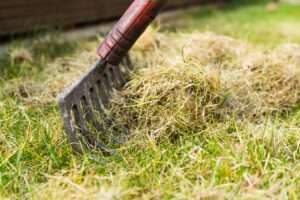
- Aeration: Aerating your lawn improves soil health and encourages strong root development, which can help grass outcompete weeds.
These practices create a robust lawn environment that is less conducive to weed growth, ensuring long-term health and beauty.
DIY Versus Professional Weed Control: What Should You Choose?
When deciding between DIY and professional weed control, consider the following factors:
- Expertise: Professionals have the training to identify and treat specific weed problems effectively.
- Time: DIY methods can be time-consuming and may not yield the desired results.
- Cost: While DIY may seem cheaper initially, the long-term costs of ineffective treatments can add up.
Ultimately, the choice between DIY and professional services depends on your specific needs and circumstances. For those seeking reliable results, professional services like those offered by PMT Lawn and Landscape can be a worthwhile investment in lawn health.